Front yard · north bed
Three trees for the spot where the coral bark died
Same hole, same north-facing exposure, about 15 ft off the house and 15–20 ft from the redbud. All three top out small enough to belong there. Pick the one you want to look at for thirty years.
- Zone 5b · Elgin, IL
- Faces North · morning sun
- Soil Clay, likely alkaline
- Plant by Mid-October
Side by side
The whole decision on one screen. Details and photos for each below.
Mature size
Growth
The show
Fall color
Winter
North bed
Alkaline clay
Water
Verdict
How big, and how soon
Against the house and the redbud. Drag the slider — this is the front yard over time.
Assumes a 6-ft nursery tree at planting and the growth rates in the specs (maple 15 in/yr, paperbark 9 in/yr, lilac 18 in/yr), capped at mature size. Estimates, not promises.
Emperor I Japanese Maple
Acer palmatum 'Wolff'
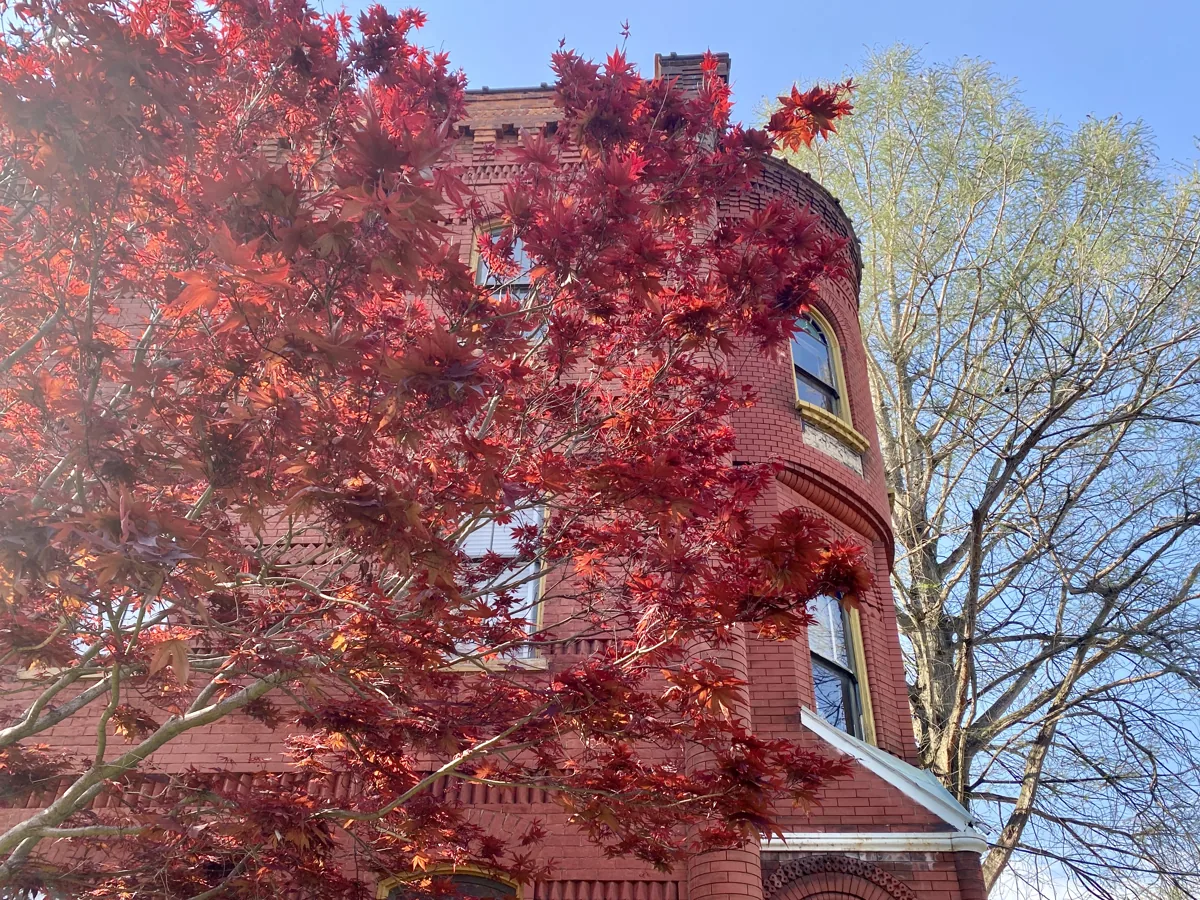
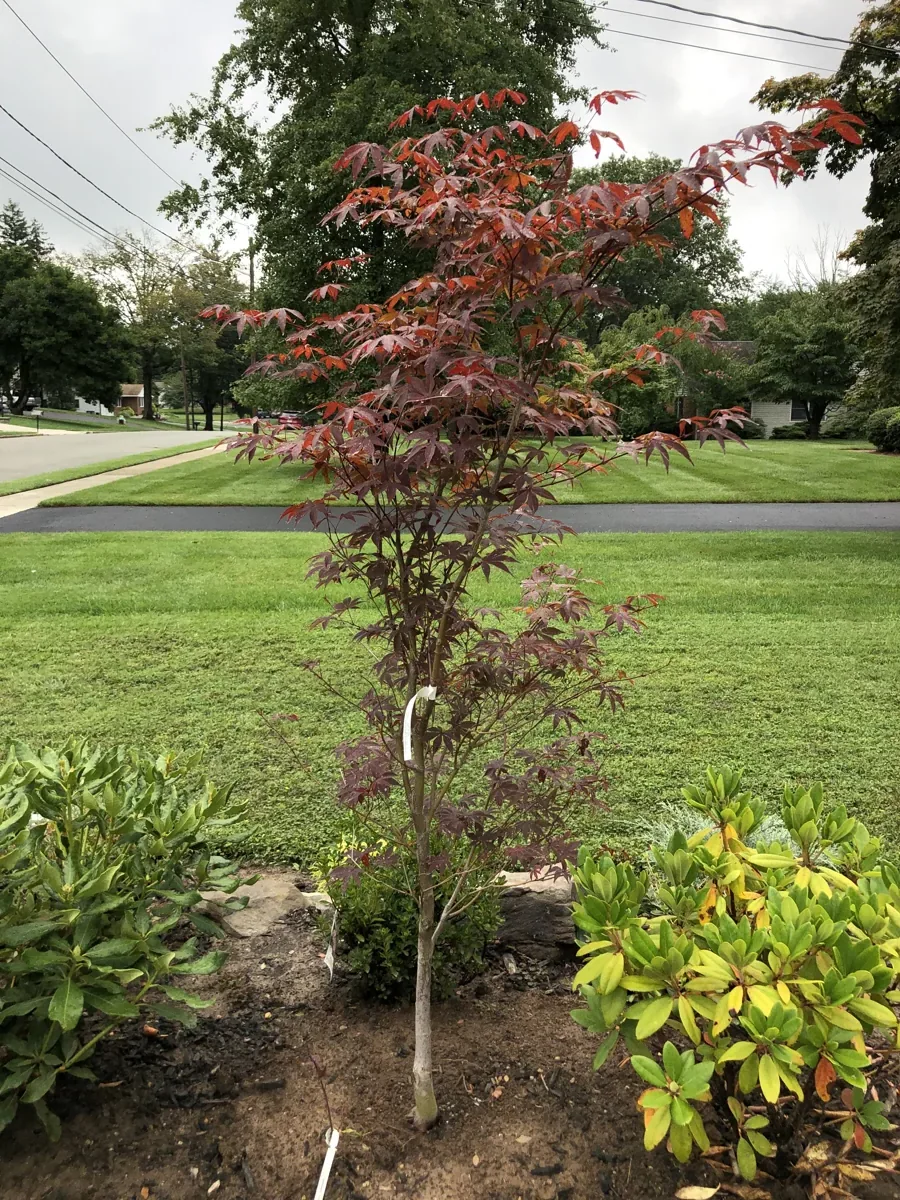
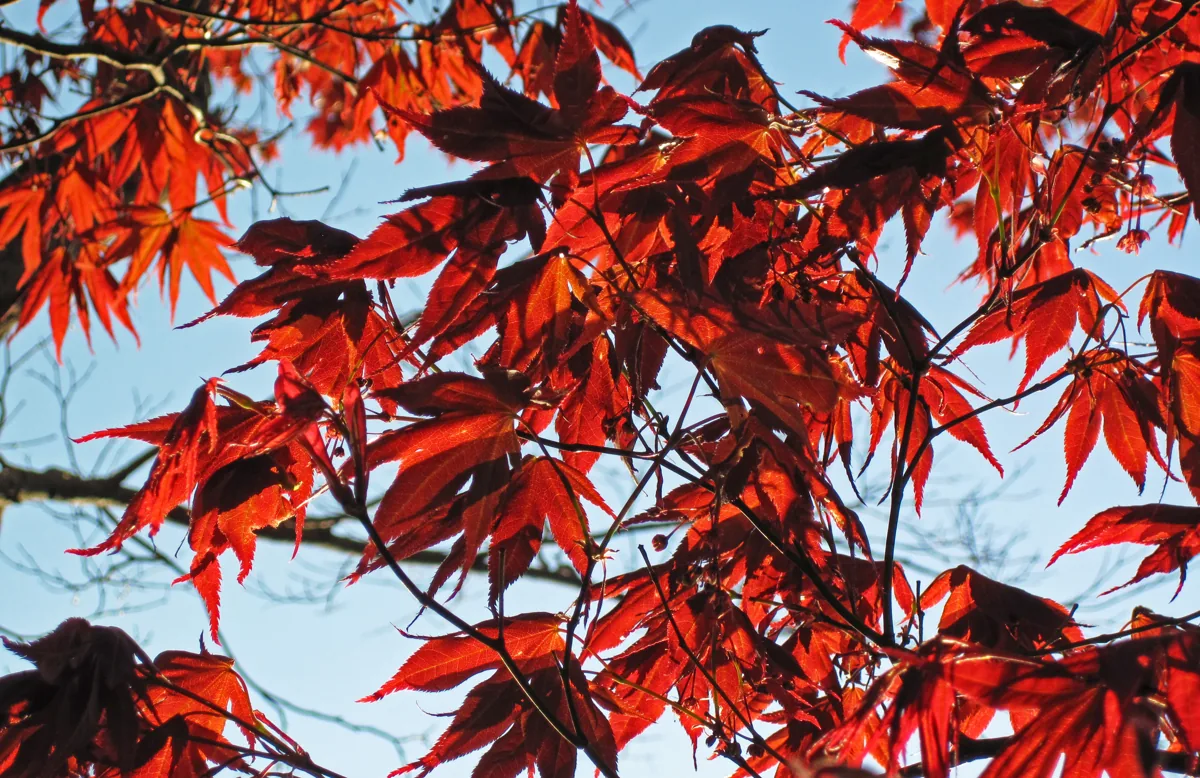
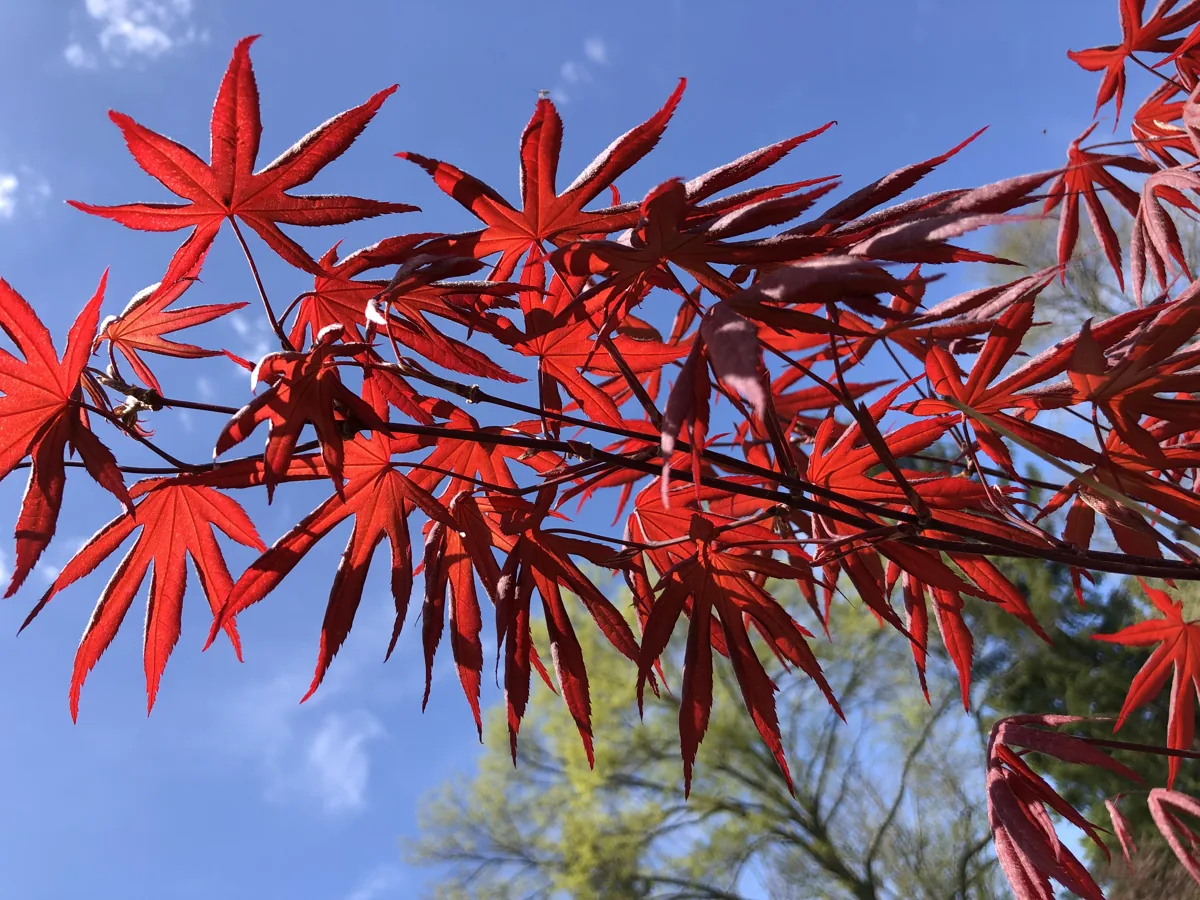
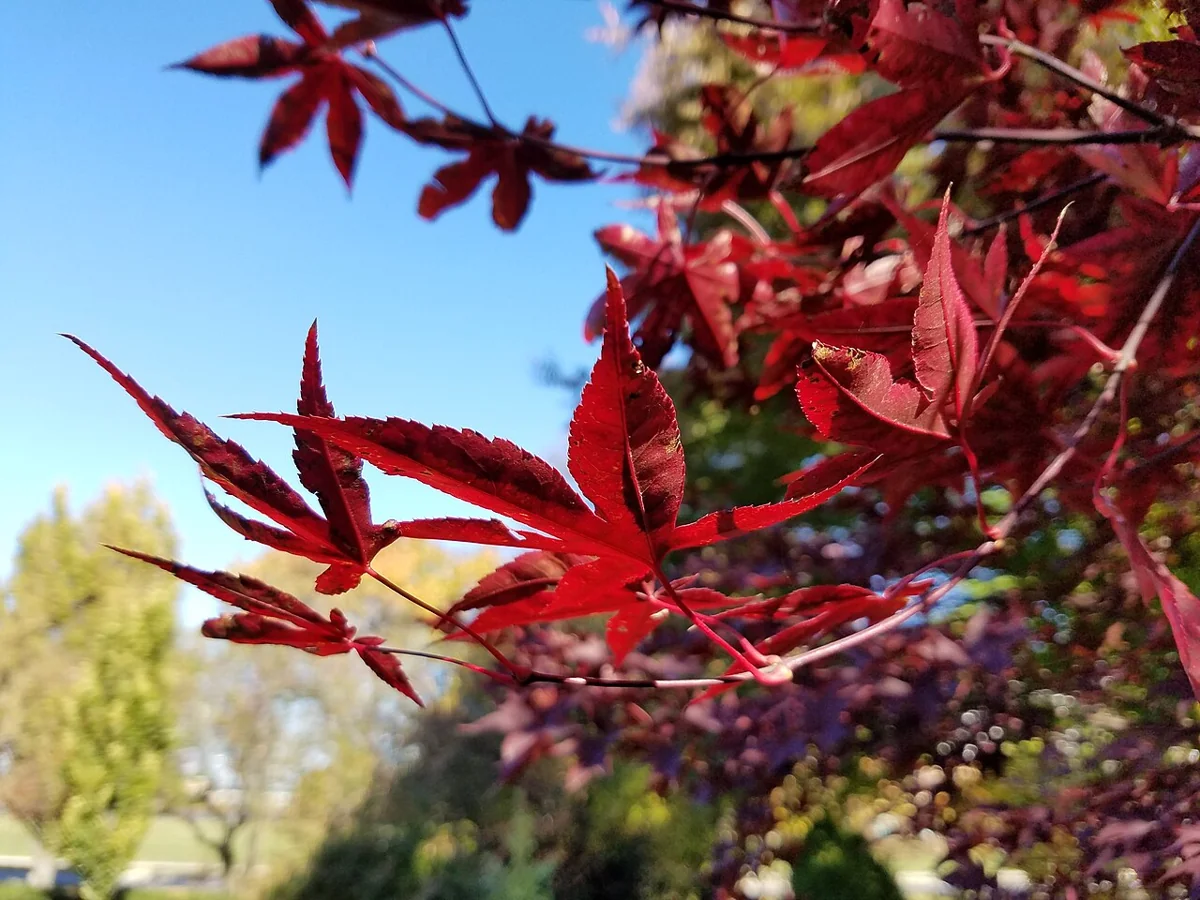
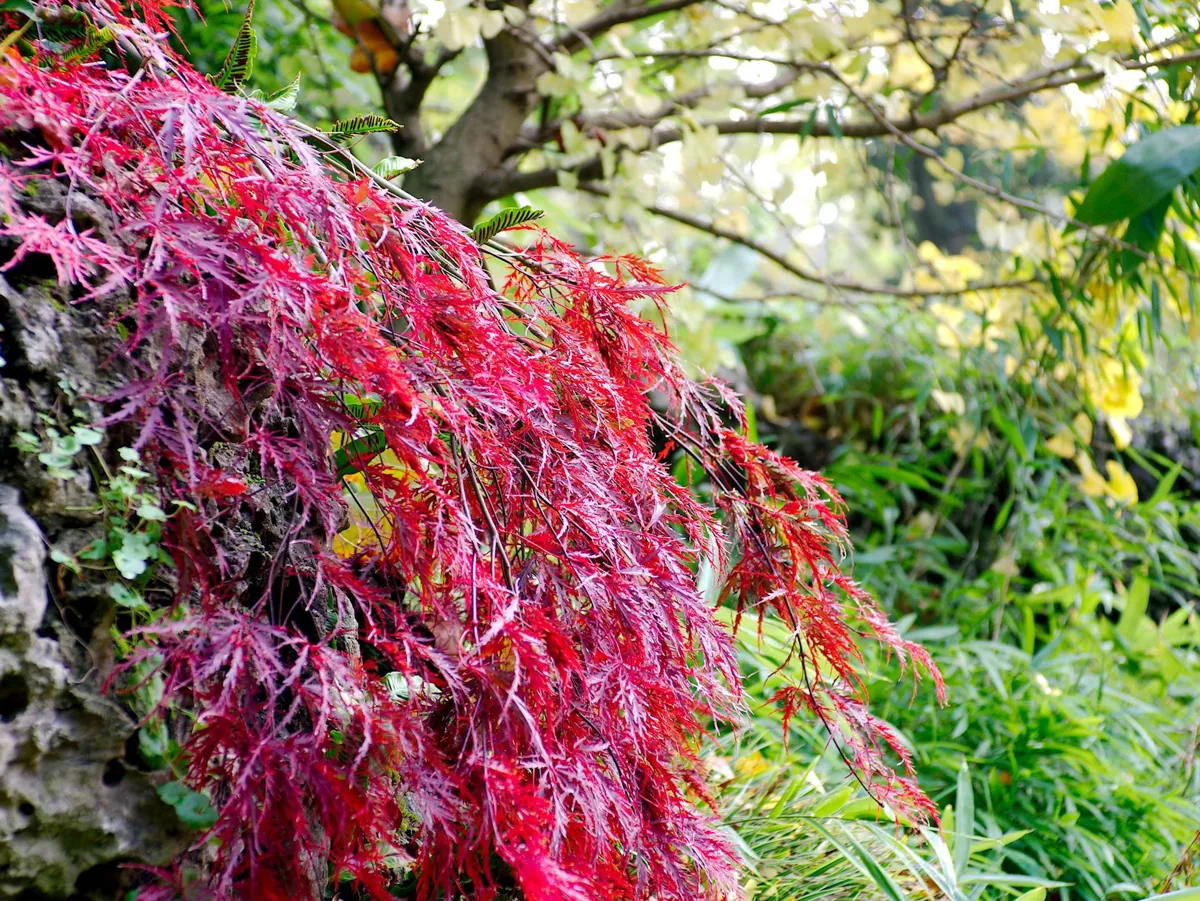
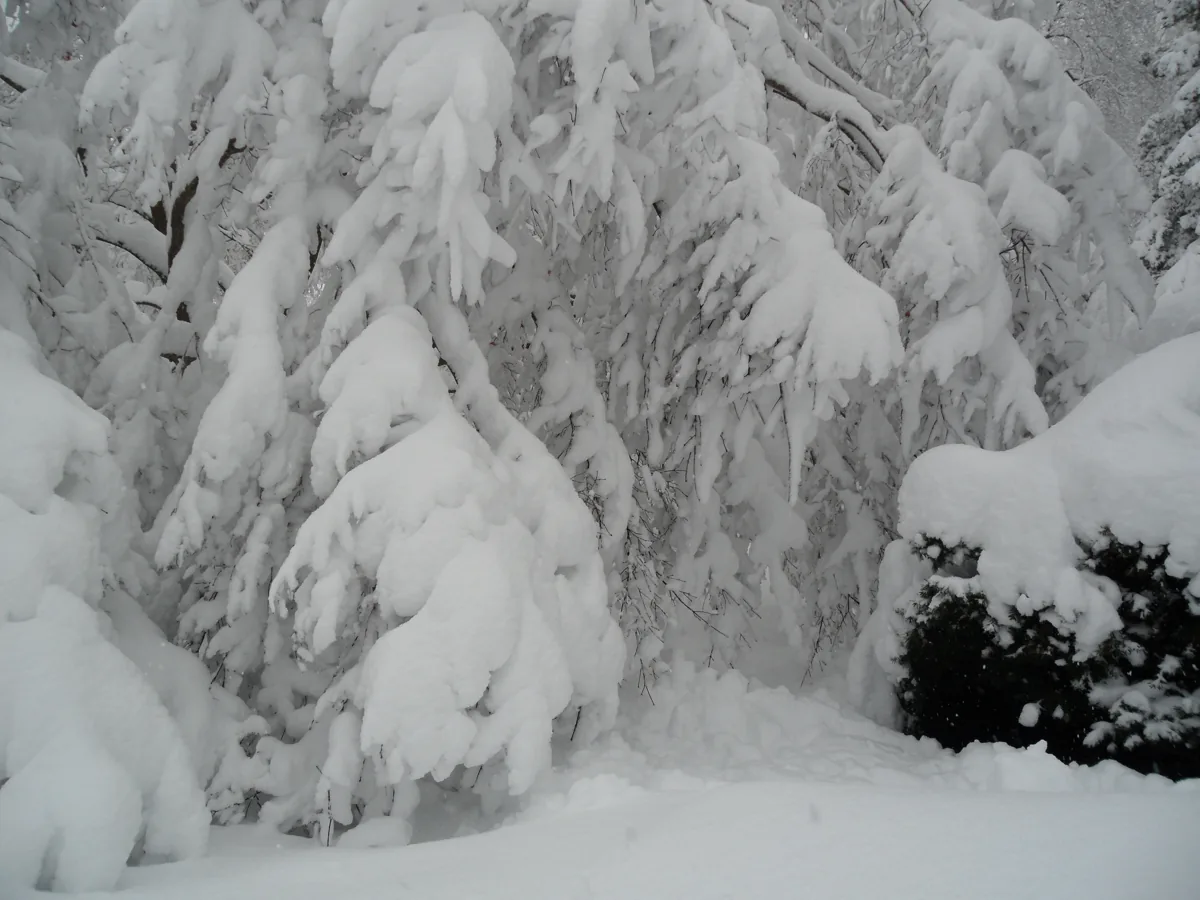
Swipe for more · tap to enlarge
- Mature size
- About 15 ft tall and as wide
- Growth
- Slow to moderate, 12–18 in/yr
- Summer
- Deep purple-red, holds without bronzing
- Fall
- Bright scarlet to crimson
- Hardiness
- Zone 5–8
- Soil pH
- Prefers slightly acidic; struggles above 7.5 — chlorosis risk
- Water
- High. Shallow roots, no drought tolerance
Why it wins. It's the only one of the three that changes the look of the front of the house from the street. Purple-red foliage against tan siding and brick, nine months a year, and nothing else on the property does that.
The catch. The pH. If the soil test comes back above 7.2, this tree slowly yellows and sulks, and we're back to the coral bark situation.
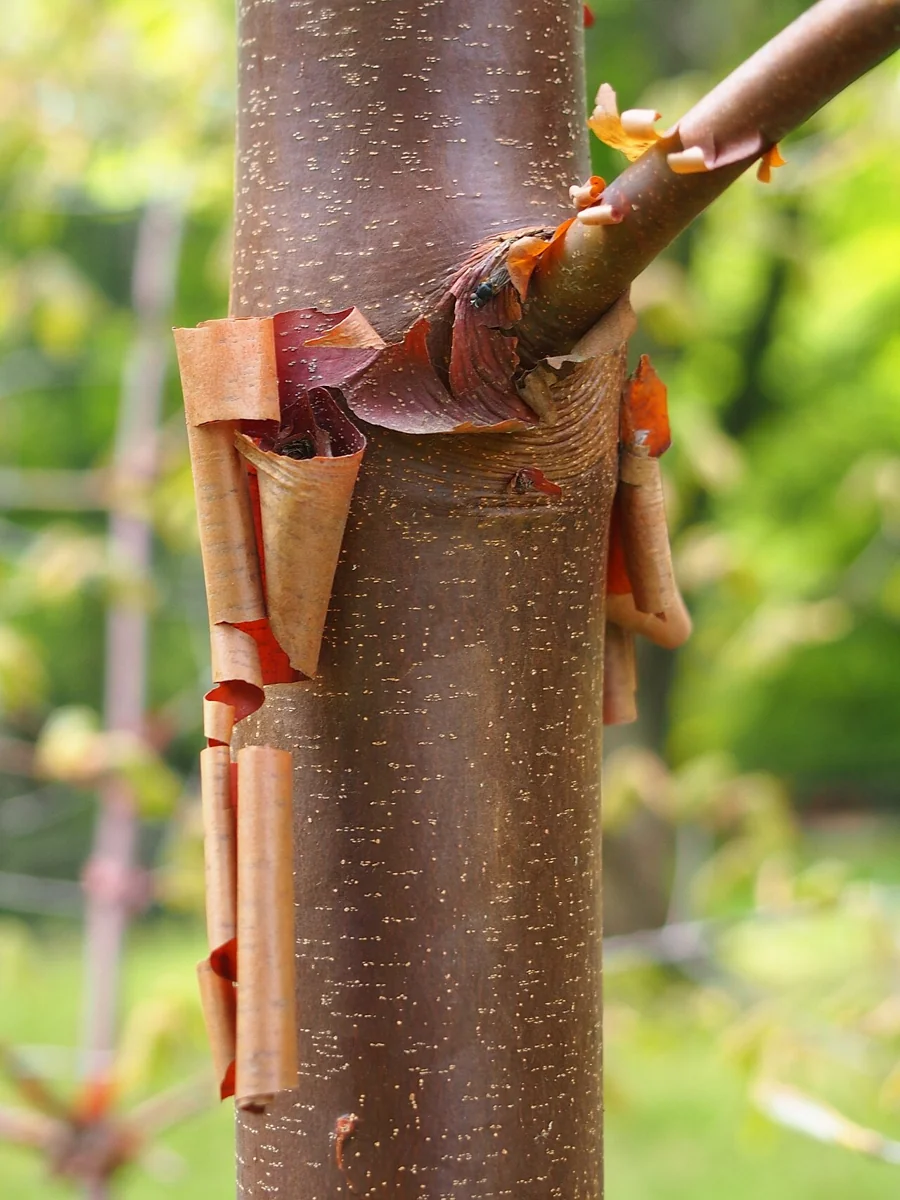
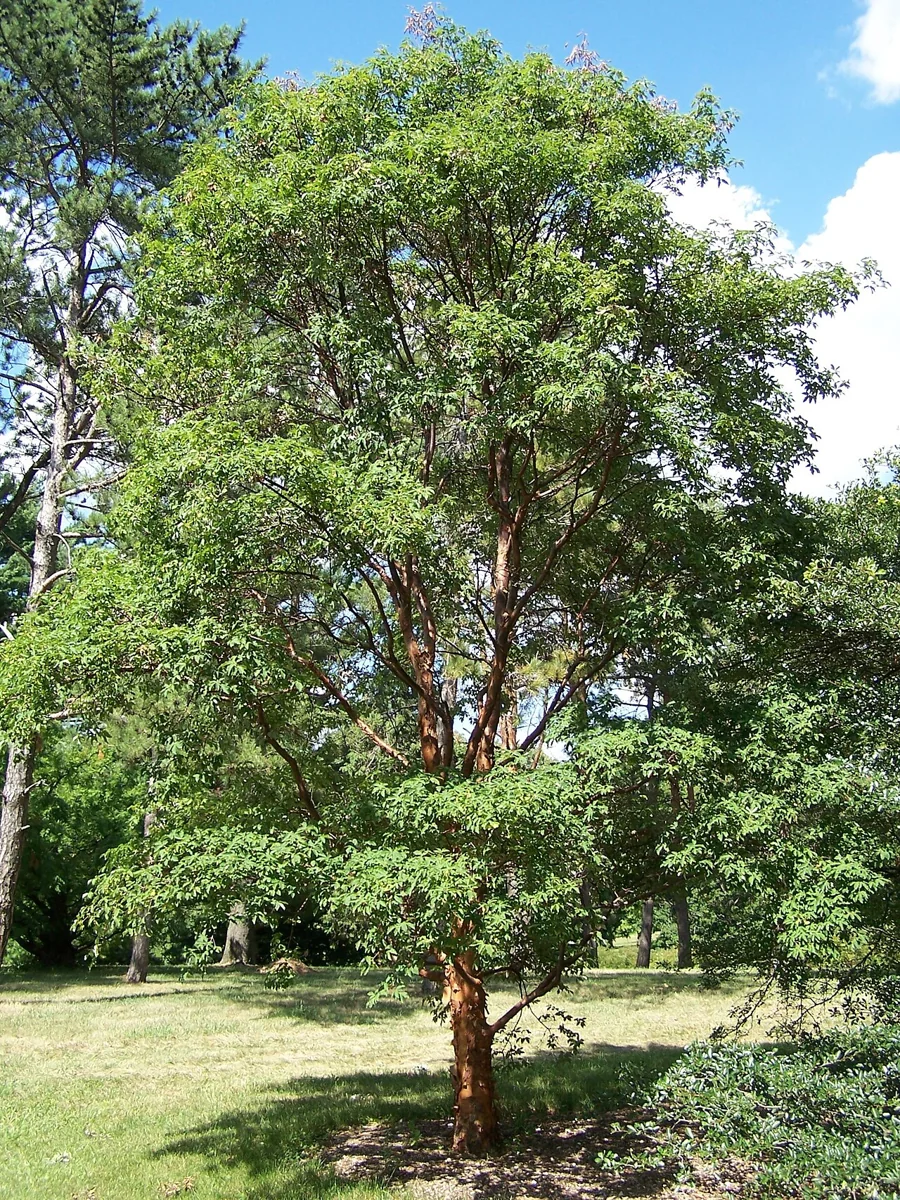
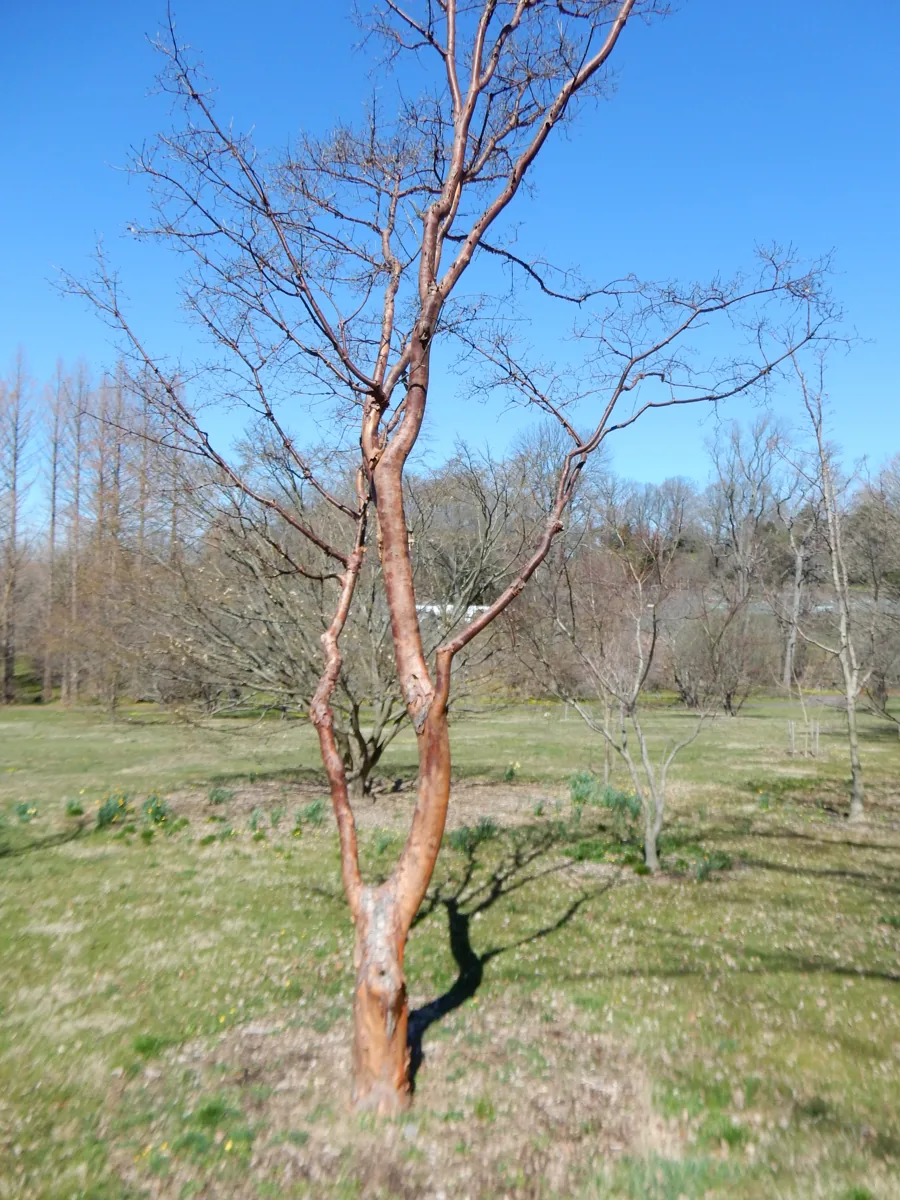
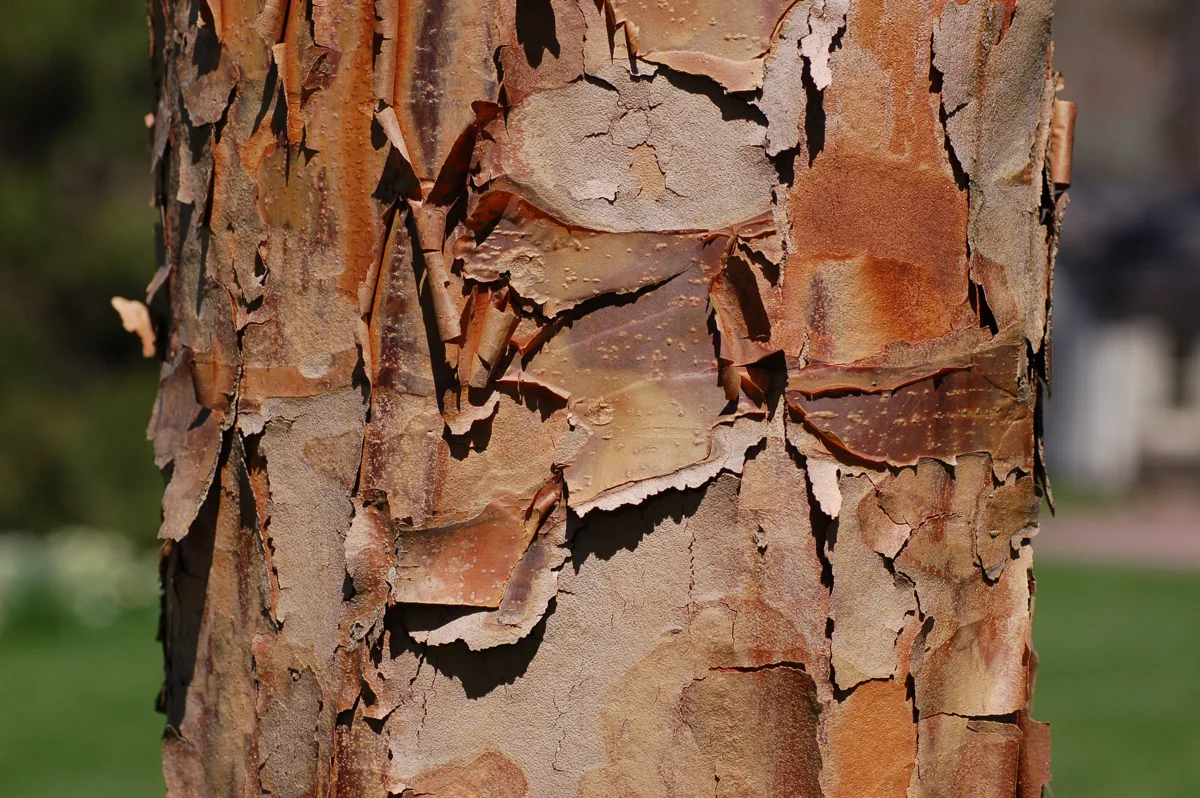
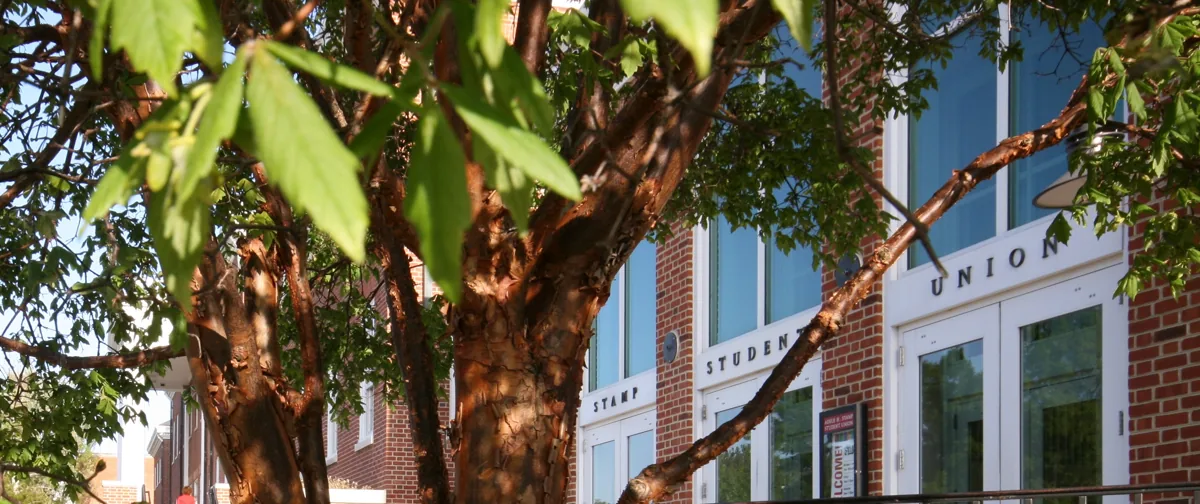
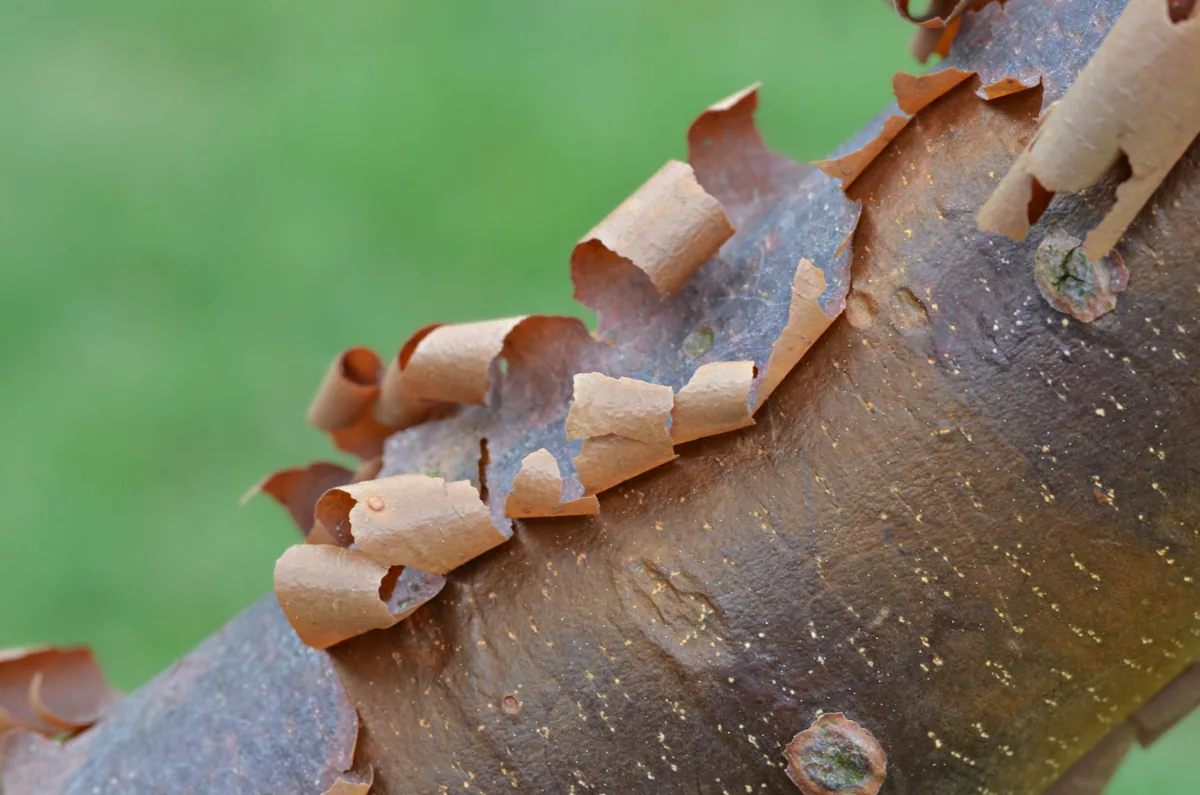
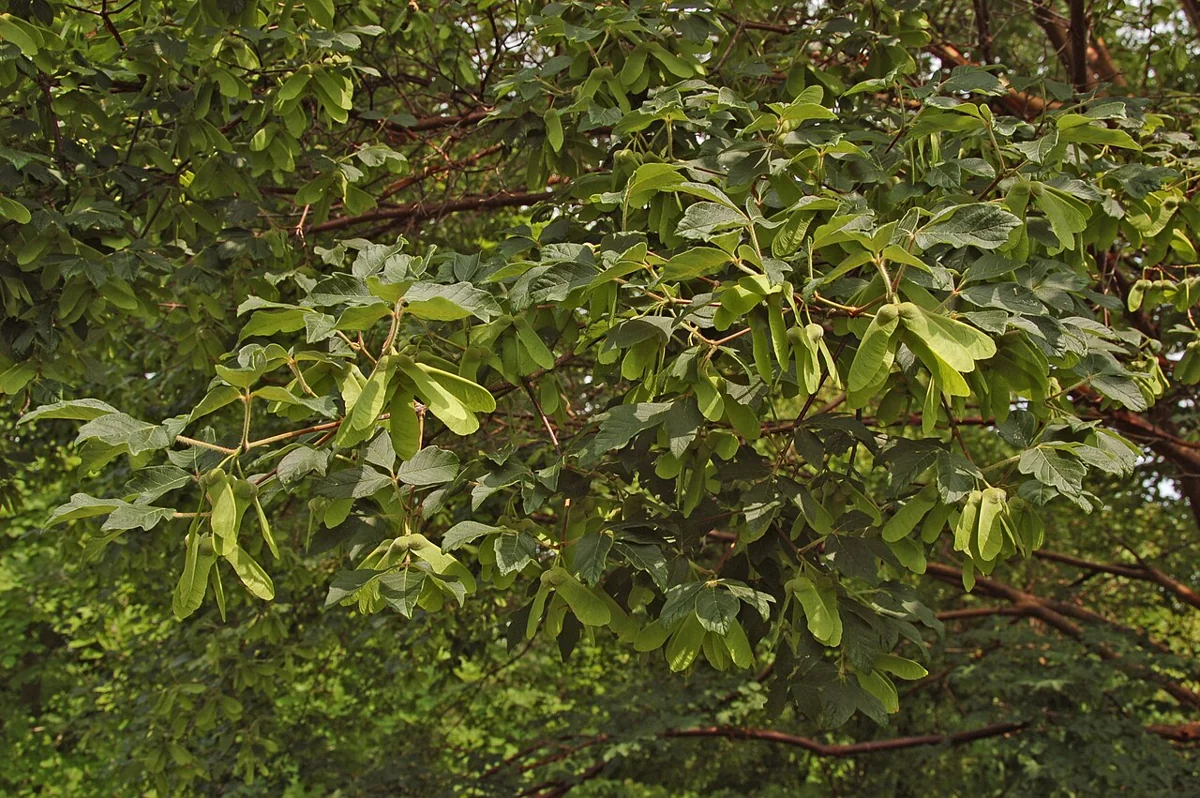
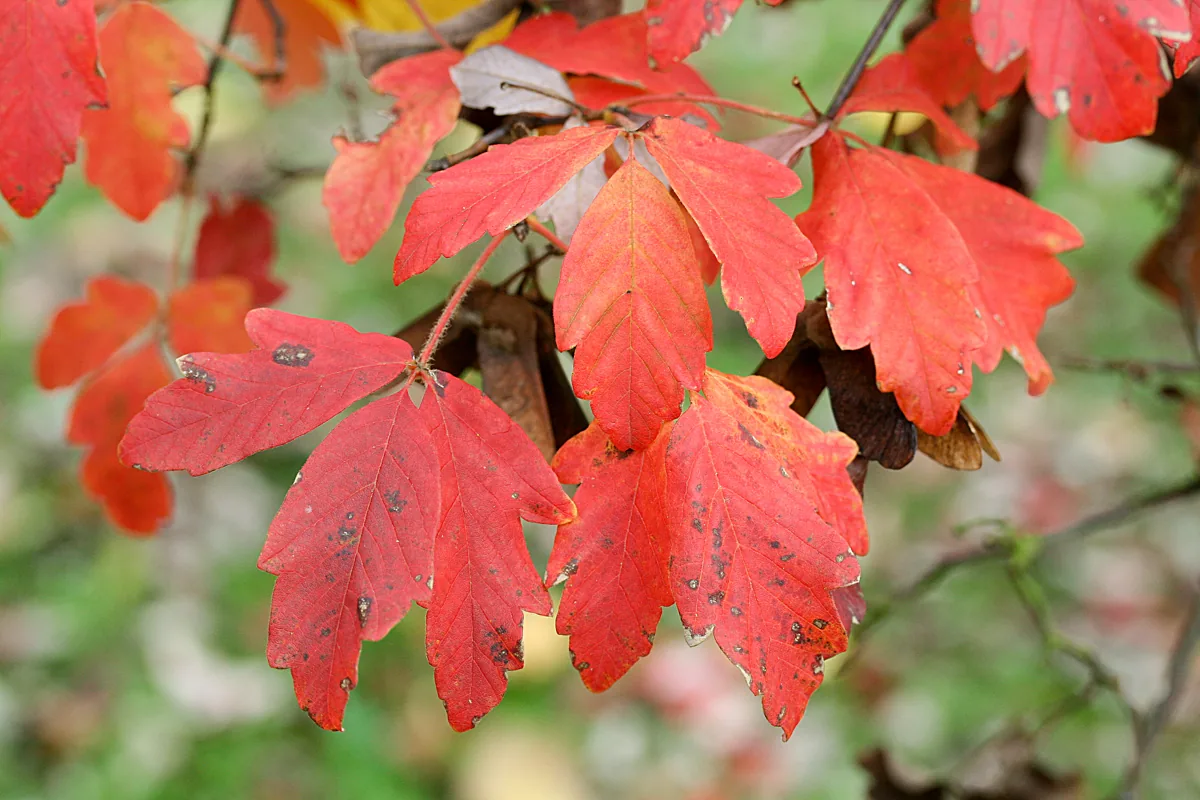
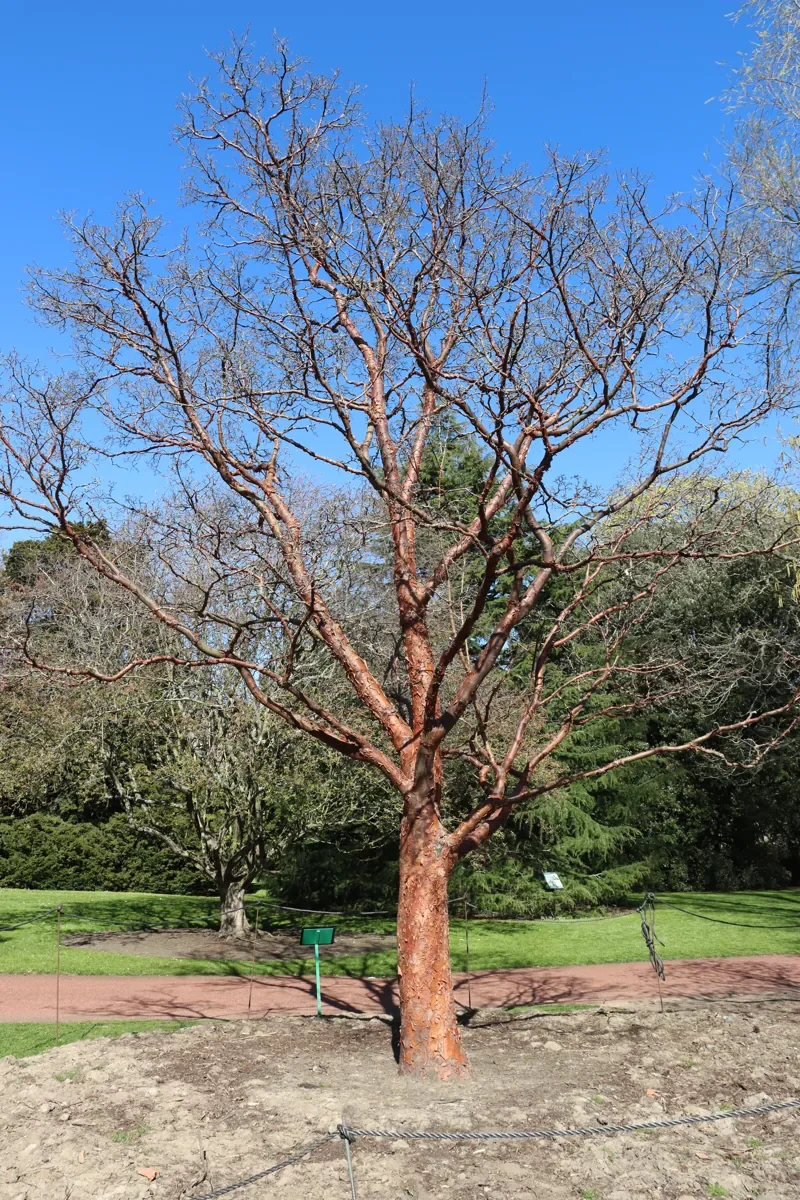
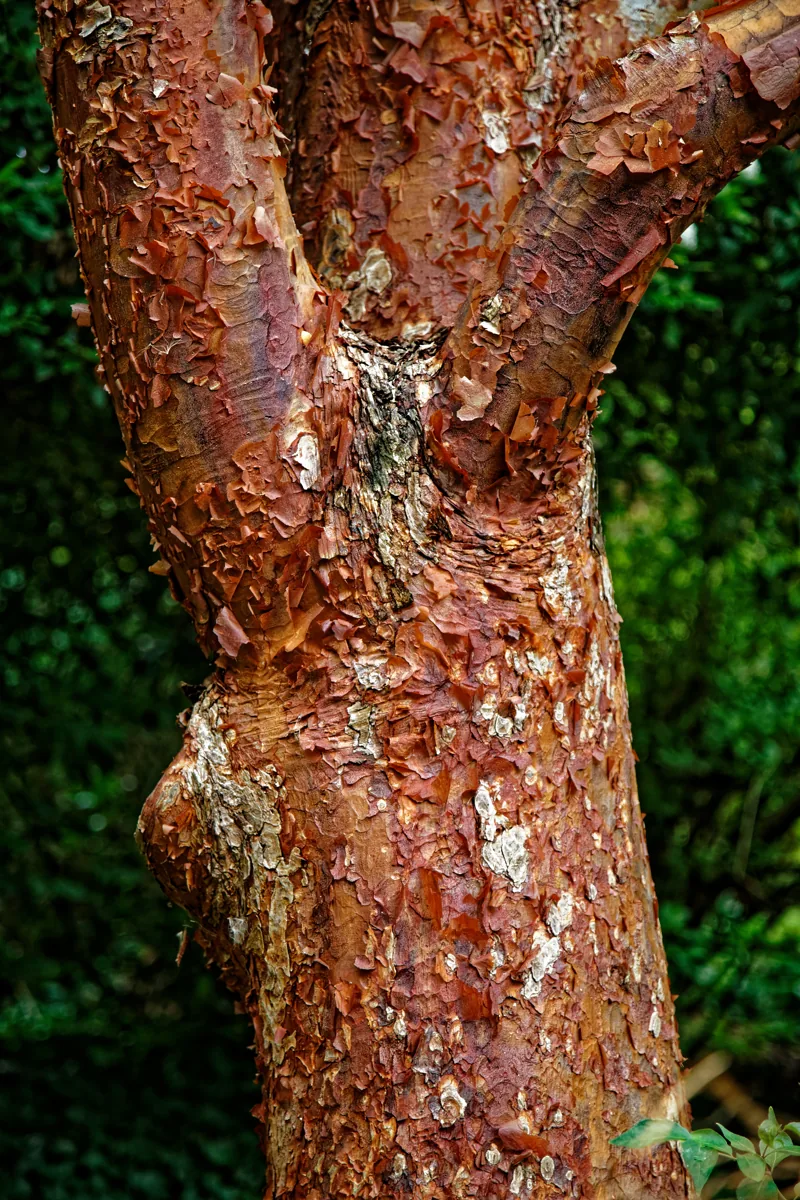
Paperbark Maple
Acer griseum
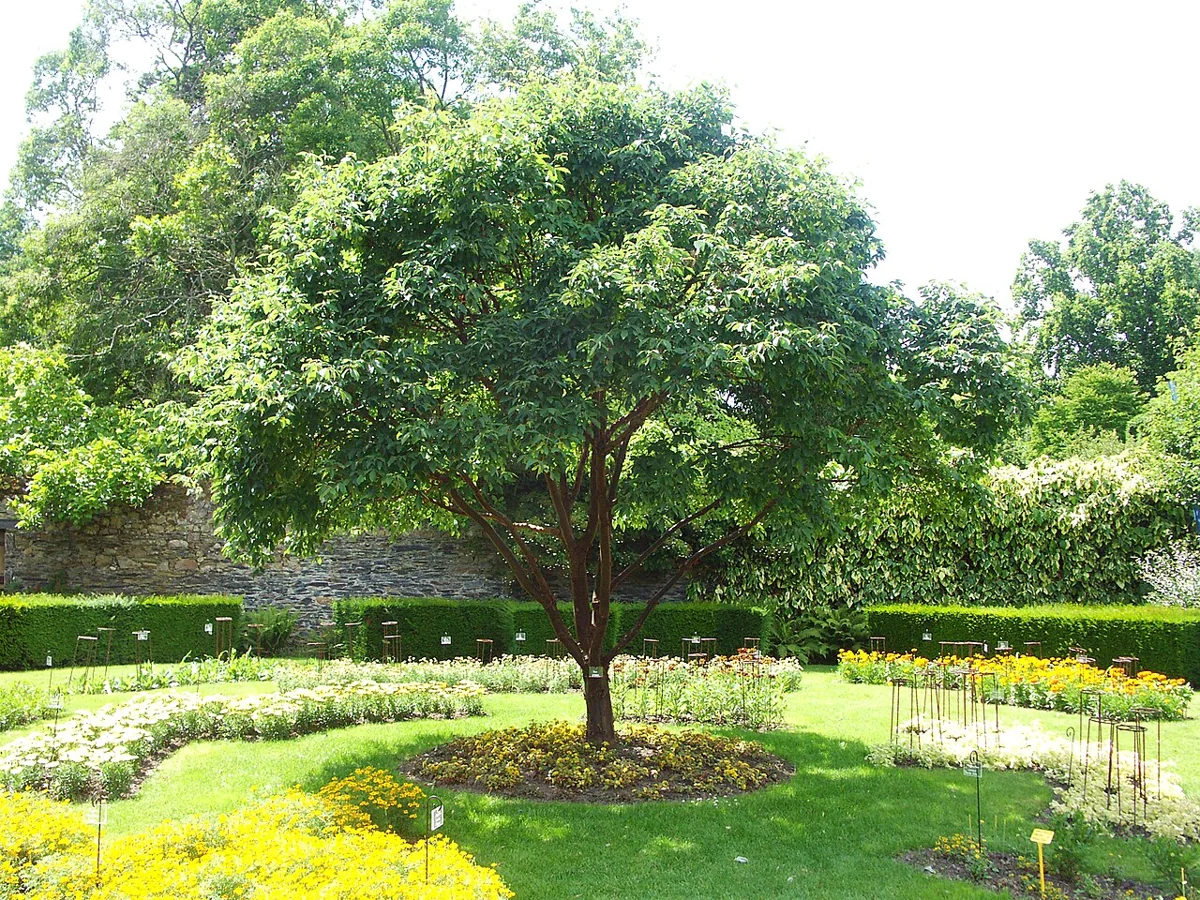
Swipe for more · tap to enlarge
- Mature size
- 20–30 ft tall, 15–25 ft wide
- Growth
- Slow, 6–12 in/yr
- Summer
- Blue-green, silver underside
- Fall
- Russet to scarlet, late — often November
- Hardiness
- Zone 4–8
- Soil pH
- Tolerates clay and mildly alkaline soil — far better than the Japanese maple, though very high pH can dull fall color
- Water
- Average once established
Why it might win. Nothing our site throws at it is likely to hurt it, and it's the only one that looks like something in February.
The catch. Genuinely slow — a decade before it has real presence — and the nursery price reflects how hard it is to propagate. Ask for single-stem, since multi-stem is what most places carry.
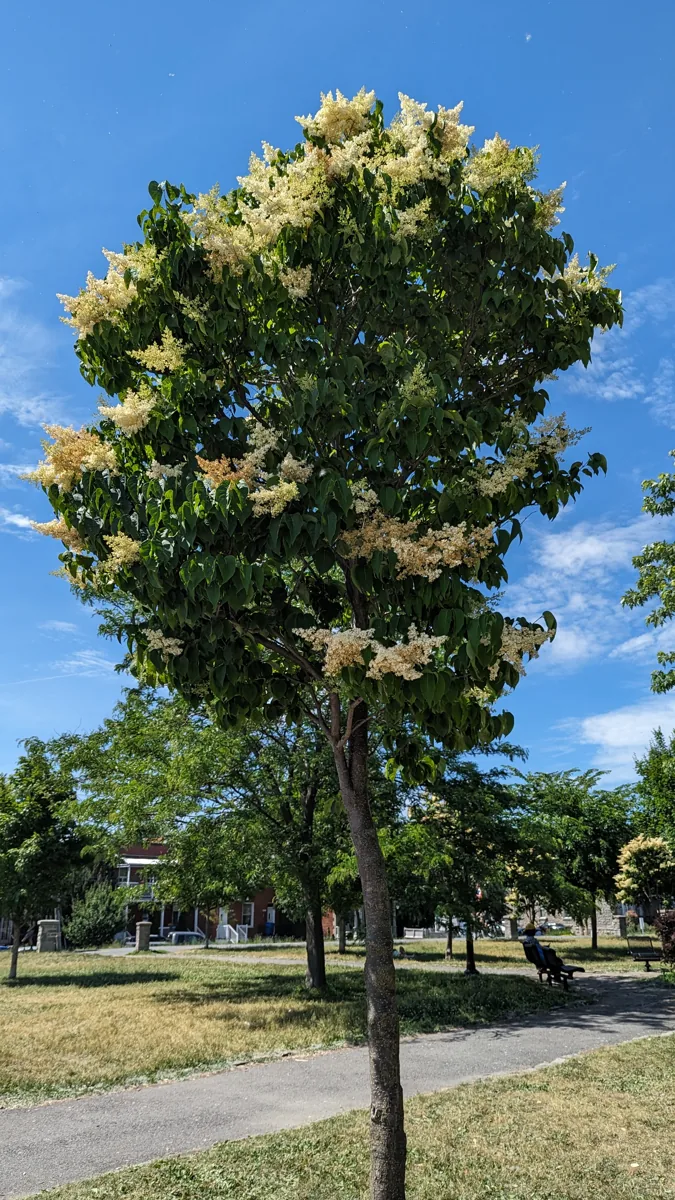
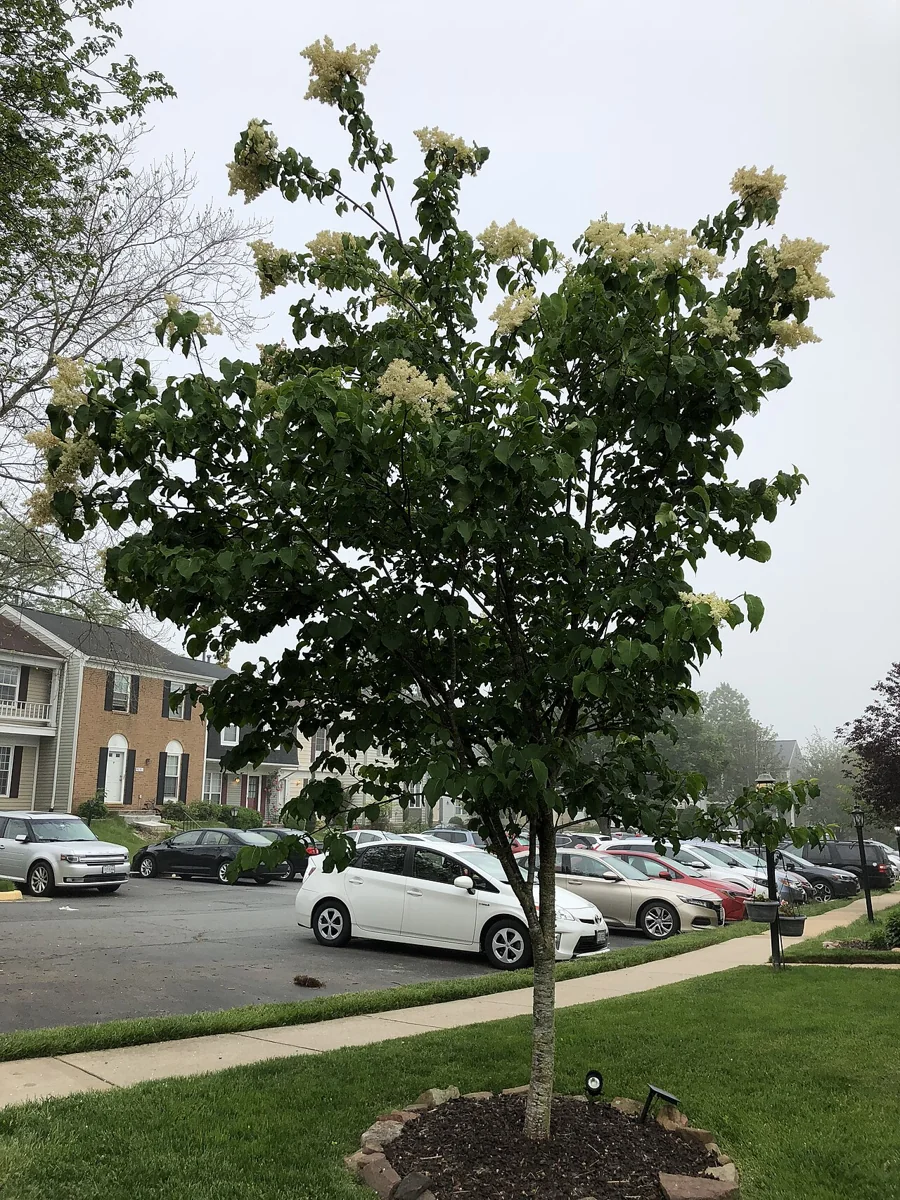
Ivory Silk Japanese Tree Lilac
Syringa reticulata 'Ivory Silk'
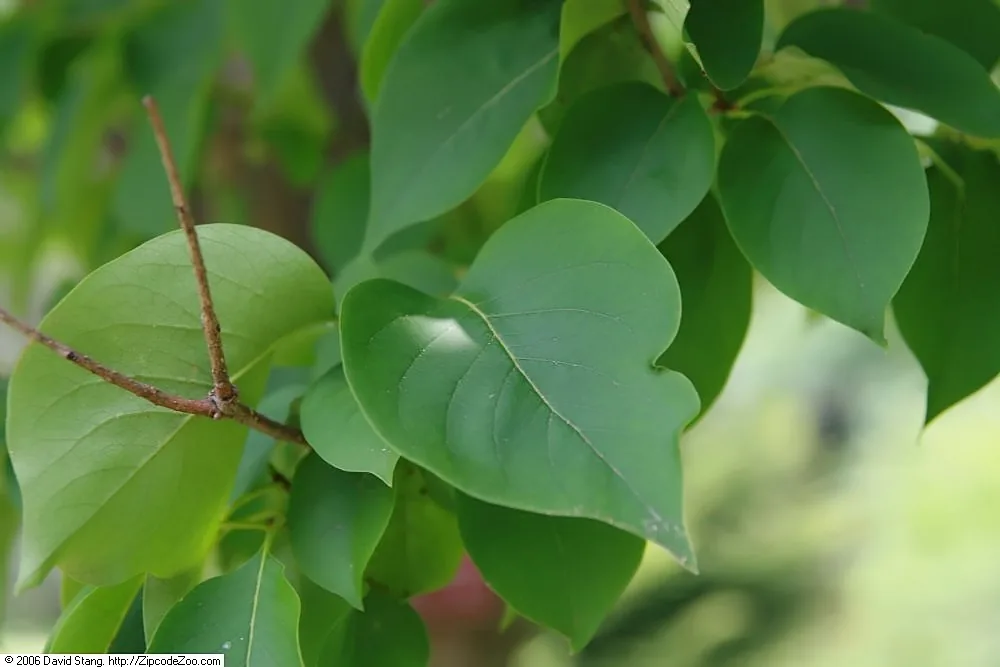
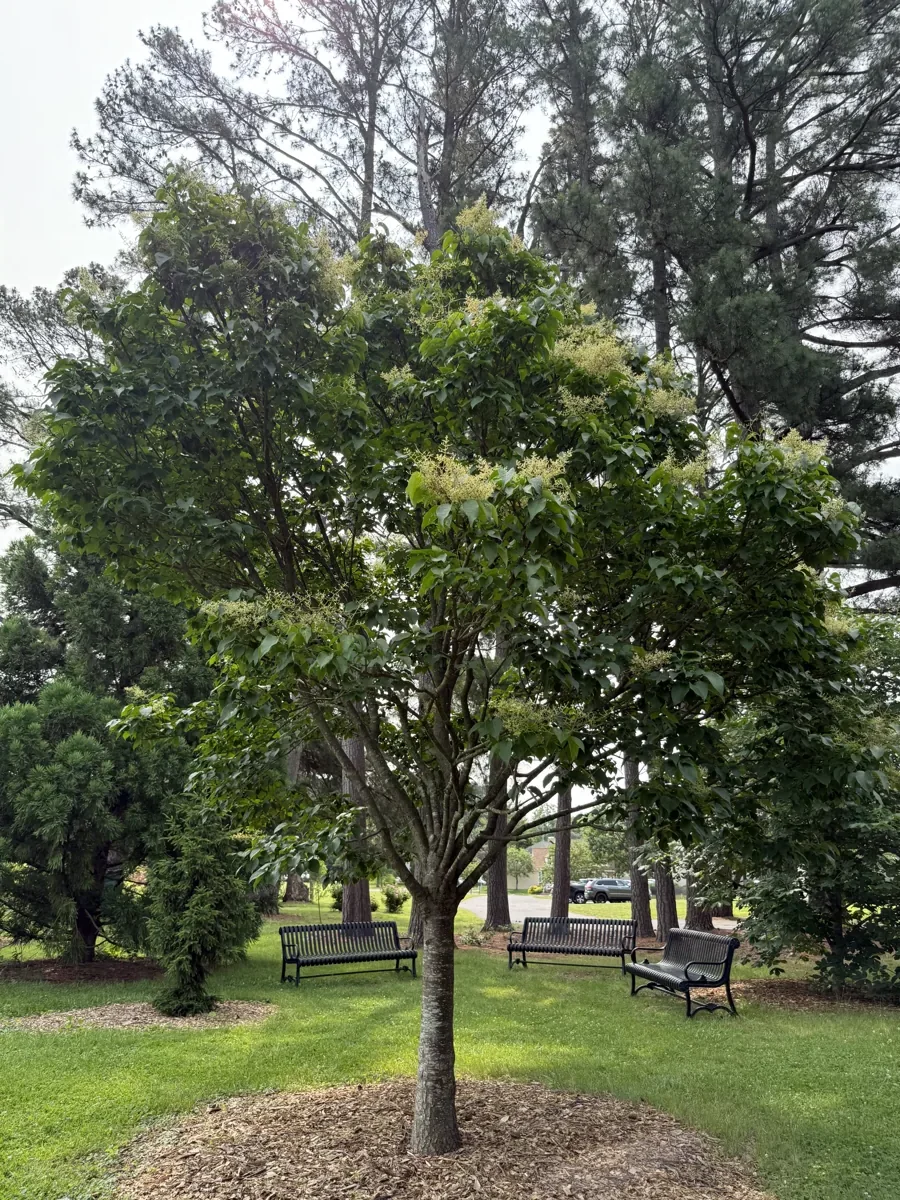
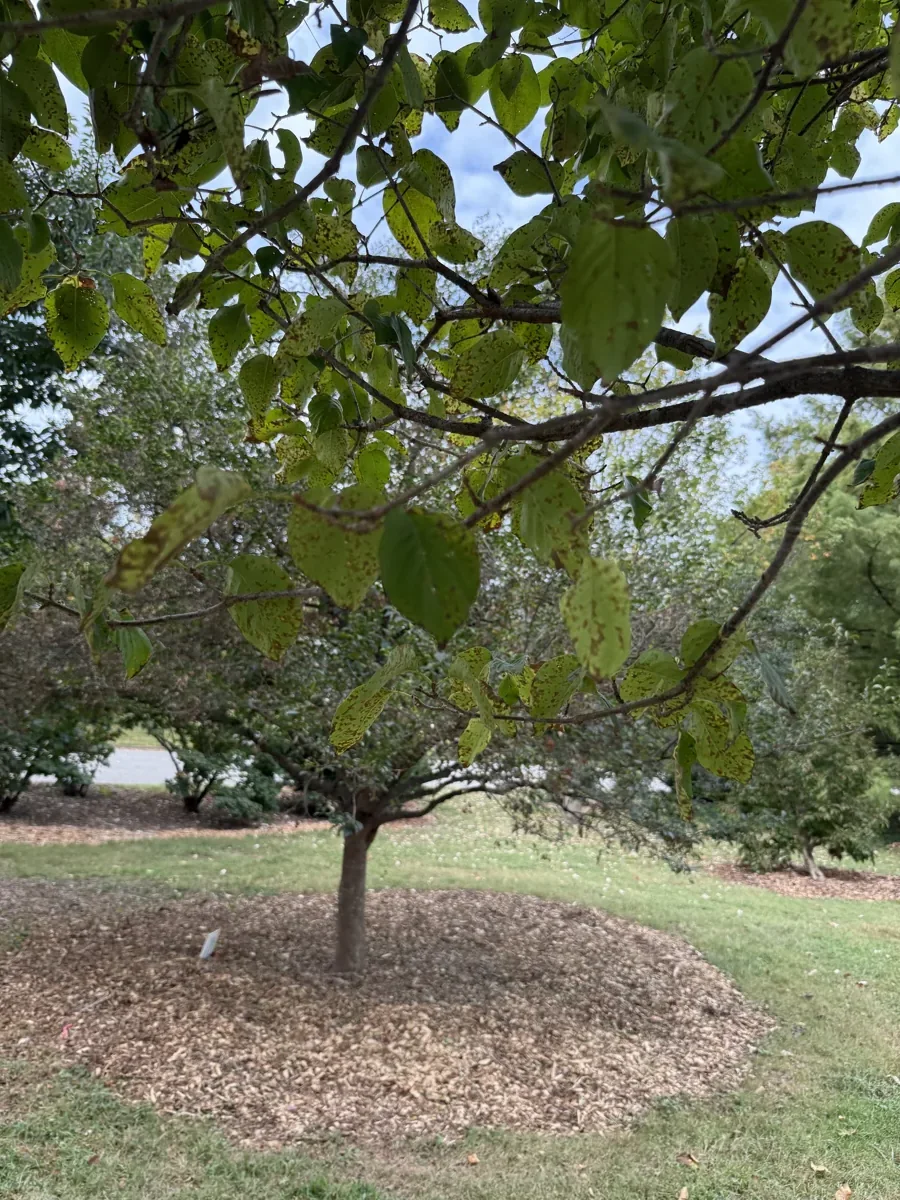
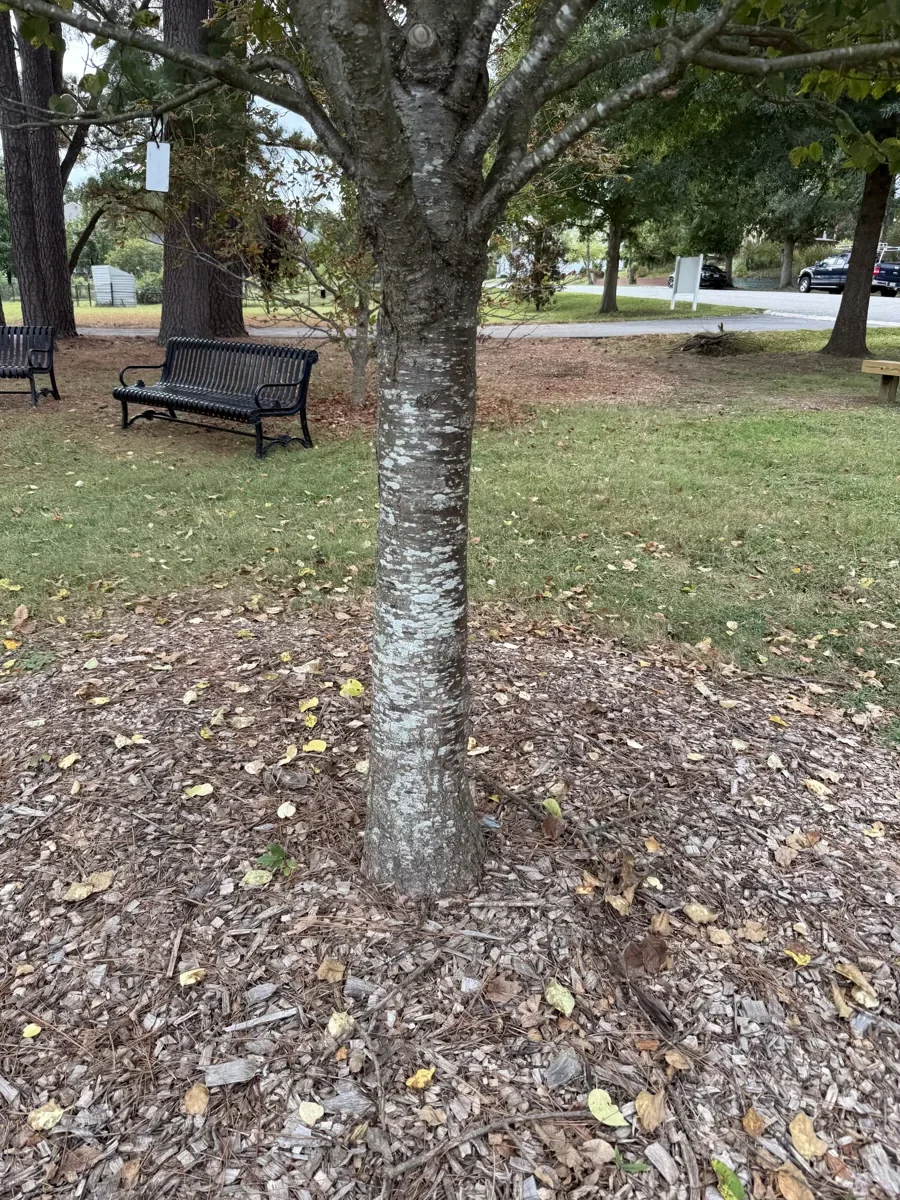
Swipe for more · tap to enlarge
- Mature size
- 20–25 ft tall, 15–20 ft wide
- Growth
- Moderate, 12–24 in/yr
- Bloom
- Creamy white panicles to 12 in, June
- Fall
- None to speak of
- Hardiness
- Zone 3–7 — bulletproof here
- Soil pH
- Tolerates alkaline soil and road salt
- Light
- Full sun for best bloom; tolerates light shade
Why it's third. It's a great tree in the wrong place. Full sun is what makes it bloom, and this bed faces north — we'd get a healthy tree with thin flowering and no fall color.
Worth knowing. The fragrance divides people. Some read it as privet rather than lilac. Worth standing under one in bloom before committing.